
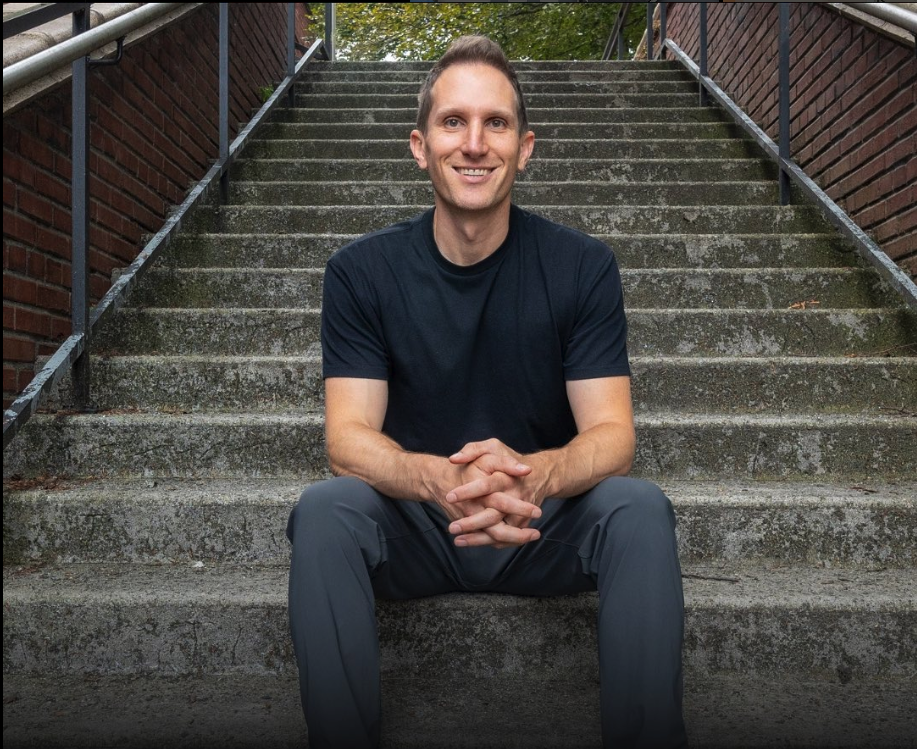
Danny Greco| Keller Willams Greater Seattle Realtor
My Role: Content Operator
Danny has been working in the real estate industry since 2007, and has made it his career during the most difficult times, from 2008 to the present. He is dedicated to working relentlessly to support his clients in achieving their real estate needs, whether they are buyers, sellers, or investors. Danny and I got together in hopes of elevating his brand to help him bringing more traction and leads through social media.
Results
〰️
Results 〰️
The Challenge

“How can we leverage social media to stay ”
Solution
Creating an online presence to market to both new and existing audiences, helping strengthen connections and generate more leads
Persona


Defining the Challenge: Staying Top of Mind in a Saturated Market
When I began working with real estate agent Danny Greco, he was at a pivotal point in his business. Danny’s goal was twofold: he needed to stay top of mind with his existing clients, but he also aspired to build a fresh audience—people who might become future buyers or investors. His audience spanned a wide range, from 25 to 55—ambitious professionals and families seeking real estate guidance in a competitive market.
Strategy
Identifying the Target Audience: Building for Connection
In shaping our strategy, I leaned into one of the most powerful tools of the time: the “talking head” video format. At that moment, social media was awash with creators stepping in front of the camera, and I realized Danny had that same opportunity. Before we collaborated, his on-camera presence was sporadic—so one of the first strategies we implemented was a disciplined, consistent filming routine. We recorded regularly, ensuring he was not just visible but relatable—paired with clean captions, dynamic infographics, and a personal cadence that built trust.
Talking head
Giveaway
Introduction
Retargeting
Tools
Crafting the Strategy: The Power of Talking Head Videos
At first, we focused on organic content—likes, shares, and follower growth were our markers. But as that golden era of talking heads evolved, we realized we needed paid support. That’s when we introduced a trifecta of ads: a retargeting ad, an introduction ad, and even a giveaway ad. Each was tailored to a different audience segment, helping us funnel them toward Danny’s listings. We spread this across Instagram, YouTube, TikTok, Reddit, and Facebook, using each platform’s native tools—Instagram insights, YouTube Studio, TikTok analytics—but the real game-changer was Meta Business Suite. It gave us a cross-platform lens, letting us track and refine our efforts.
Market research

Leveraging AI and Tools: Learning and Innovating in Real-Time
Though I was only six months into my marketing career, this project became a rapid learning curve. I had to build while I flew—using AI tools like ChatGPT, Claude, Grok, and Higgsfield to generate creative content, analyze trends, and refine messaging. I also relied on Adobe Express to rapidly iterate design. At the same time, I dove into videography—a field completely new to me. I had to master composition, lighting, and technical aspects like shutter speed, ISO, and framing. Every day, I absorbed new skills—whether it was optimizing ad targeting, mastering video editing, or using AI to uncover what drove visibility.
Mastering Videography: From Composition to Lighting
This constant learning process not only helped Danny grow, but also empowered me to apply cutting-edge tools and build a full creative toolbox—staying ahead in a fast-moving landscape.


Competitive analysis

Understand Our Competition On All Platforms
During the competitive analysis, we measured all of our competitors social media accounts to see what exactly makes them leaders in their industries.
Measuring success
Measuring Success: Metrics, Insights, and Business Impact
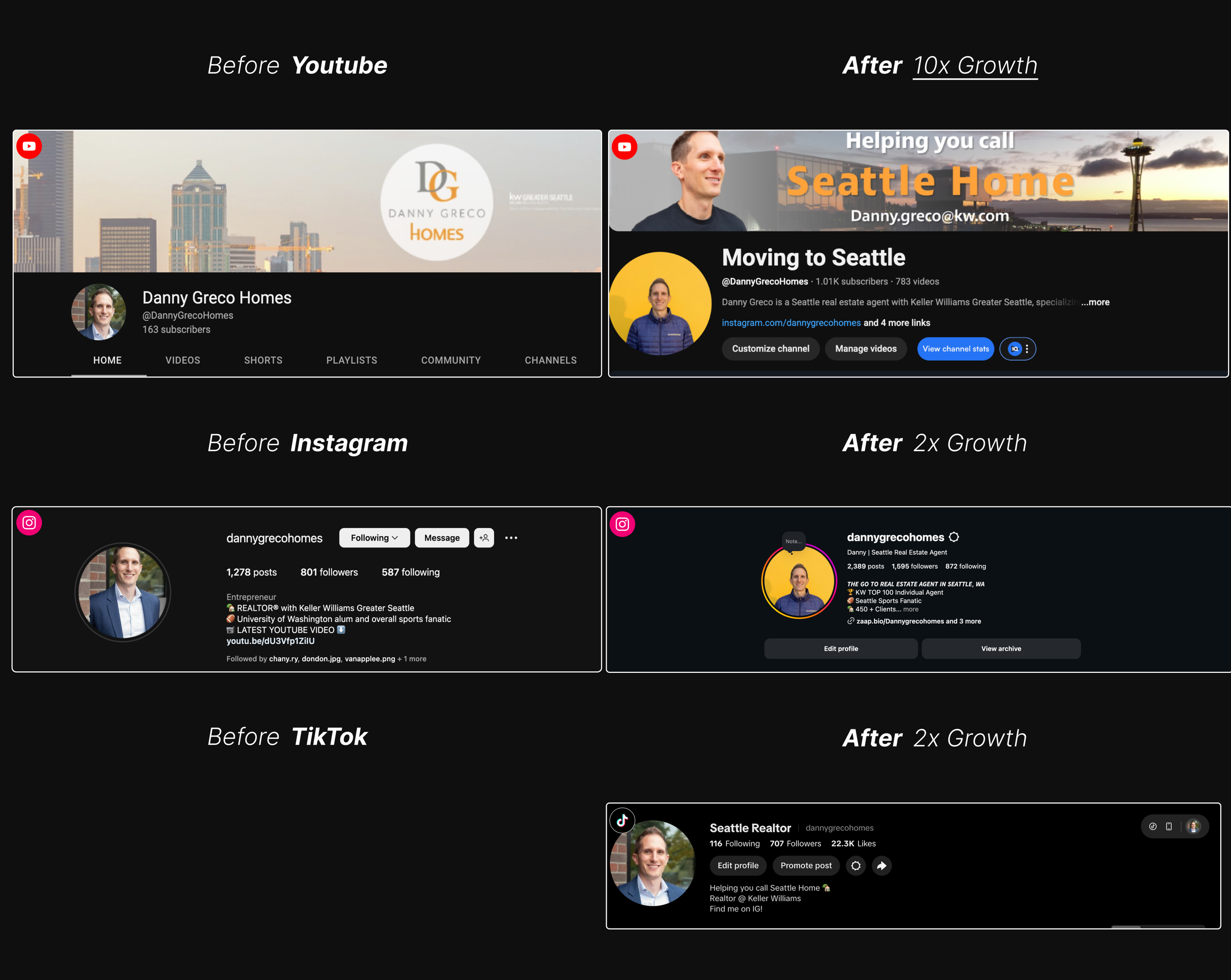
We measured success through engagement—click-through rates, audience retention, and ultimately, inquiries. Of course, one challenge we faced was attribution—when new clients reached out, many credited Google or YouTube, making it hard to tie it directly to social. But we didn’t stop there. We optimized hashtags, alt text, and even leveraged AI tools like ChatGPT to uncover what drove visibility. In fact, by the end of our campaign, I was able to show a distinct before-and-after picture: when we began, Danny had just 800 Instagram followers; but over the next few years, he doubled that number, reaching 1,500 followers. And it wasn’t just about followers; his inquiries surged, especially on Reddit, where we strategically engaged by offering valuable advice. Each touchpoint—each piece of content—was designed to be part of a larger journey. When people stumbled upon Danny’s content, they didn’t just see an agent; they saw a trusted guide—someone who was present, consistent, and always one step ahead.
Takeaways
Lessons Learned and Next Steps: Adapting to a 24/7 Social Landscape
One of the most valuable lessons I took away was that social media is a 24/7 ecosystem—attention never sleeps, and it shifts constantly. I realized that both short-form and long-form content engage attention differently, and understanding this psychology—a deep part of UX—was crucial. Staying adaptable, embracing new technologies, and keeping the user at the center of the experience gave me a powerful bridge between my UX background and digital marketing. I’m excited to apply these lessons to future projects, knowing that even in a rapidly shifting digital world, a user-first approach and a commitment to learning will drive real results.
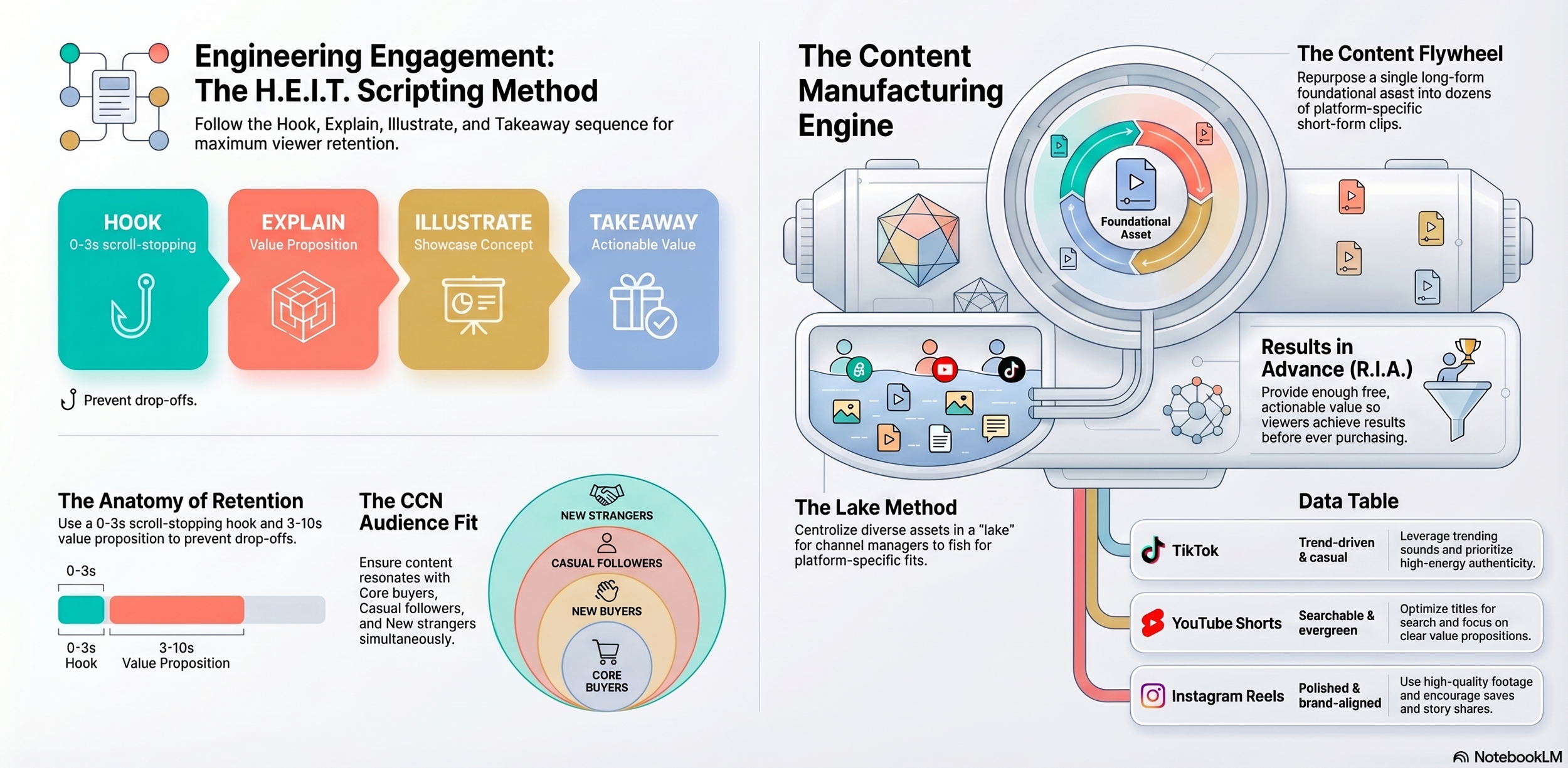
Implimenting this frame work that starts with the “ Lake method”